Betaine Surfactant Quaternary Ammonium Salt Technology

ZJS provides process design, equipment configuration and technical services for betaine amphoteric surfactants, CAPB, lauryl betaine, quaternary ammonium salts and related cationic surfactants used in personal care, detergent, textile and industrial formulations.

Request Technical Consultation
View Surfactant Technologies

Betaine and Cationic Surfactant Technology for Formulation Manufacturing

Betaine surfactants are amphoteric surfactants that contain both positive and negative functional groups. They are widely used in personal care, detergent and cleaning formulations because they can improve mildness, foam stability, viscosity, detergency and compatibility with anionic, nonionic or cationic surfactants.

Typical betaine surfactants include cocamidopropyl betaine (CAPB/CAB), lauryl betaine, alkyl betaines and sulfobetaines/sultaines. These products are commonly used in shampoos, body washes, facial cleansers, hand soaps, liquid detergents, dishwashing liquids, textile auxiliaries and industrial cleaning products.

Quaternary ammonium salts and related cationic surfactants can be used where cationic adsorption, softening, antistatic performance, conditioning, emulsification or surface modification is required. ZJS supports customers with process route discussion, reaction system design, equipment configuration, automation and commissioning support for selected functional surfactant projects.

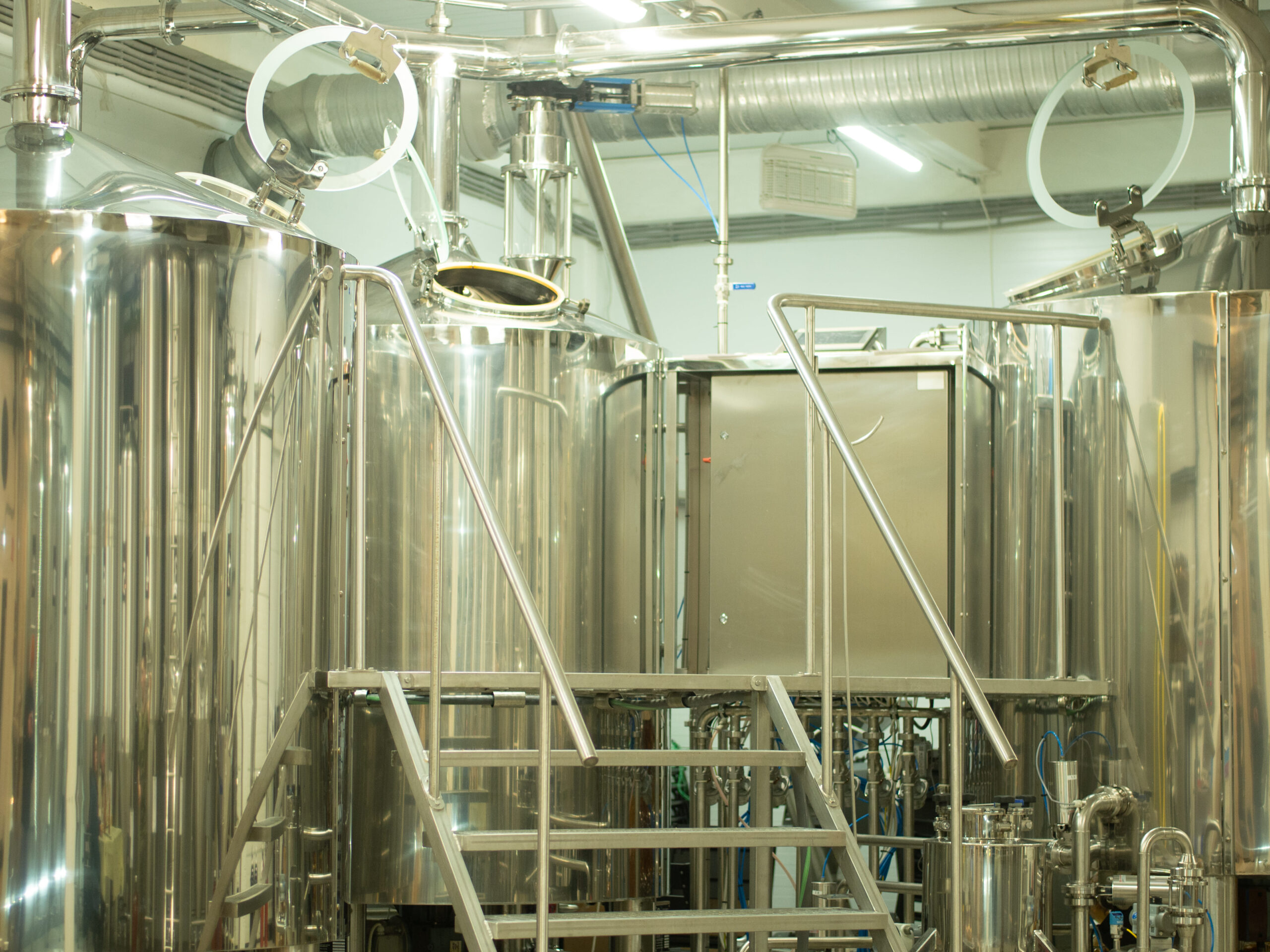
  • CAPB / CAB

    Common Betaine Surfactant

  • Custom

    Process & Equipment Support

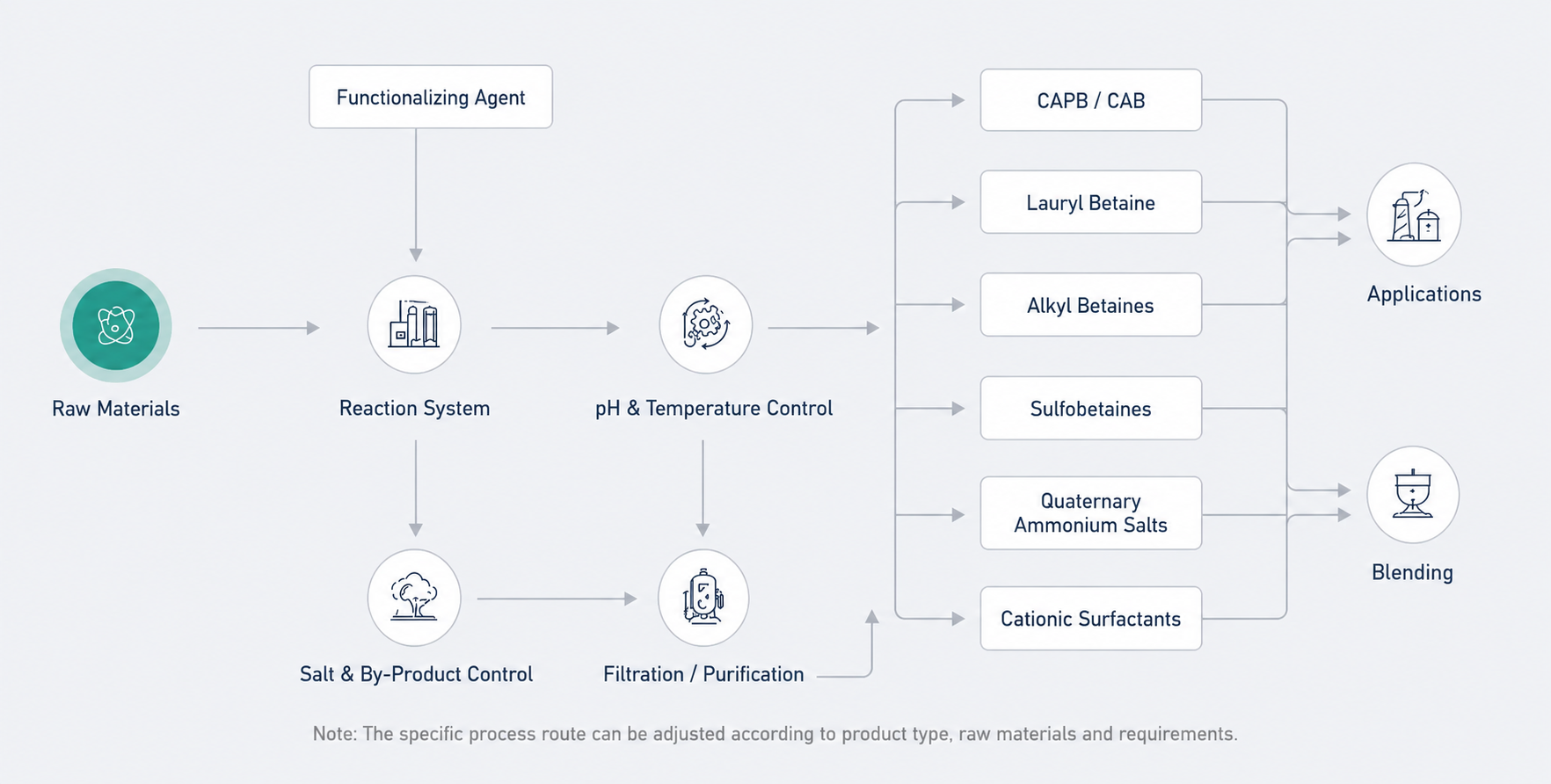
Typical Production Routes for Betaine and Quaternary Ammonium Salts

The production route depends on the target surfactant and raw materials. ZJS can support betaine and quaternary ammonium salt processes covering reaction, pH control, salt management, purification, blending and final standardization.

Request Functional Surfactant Process Proposal

  • Raw Material Dosing
  • Reaction & pH Control
  • Salt & By-Product Control
  • Filtration / Purification
  • Blending & Standardization

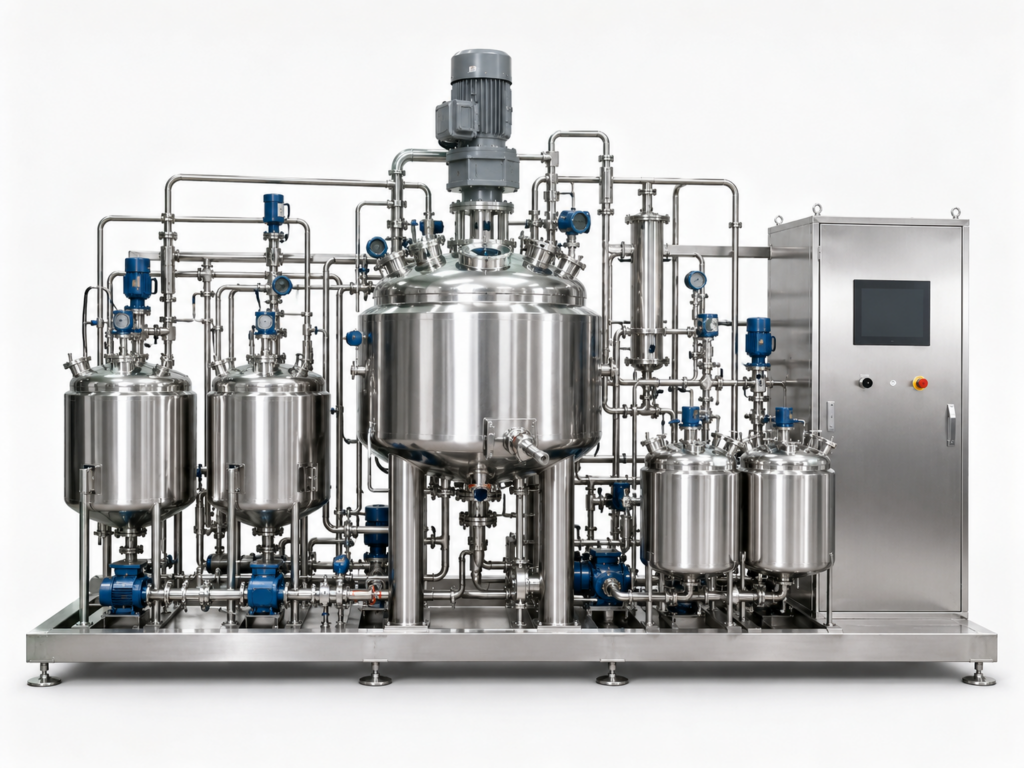
Betaine Surfactant Process and Equipment Support

Betaine surfactant quality is closely related to raw material purity, molar ratio, reaction temperature, pH profile, mixing efficiency, salt formation and downstream purification. ZJS focuses on practical reactor design and process control so that the final product can meet the required active matter, clarity, color, odor, salt content, viscosity and formulation compatibility targets.

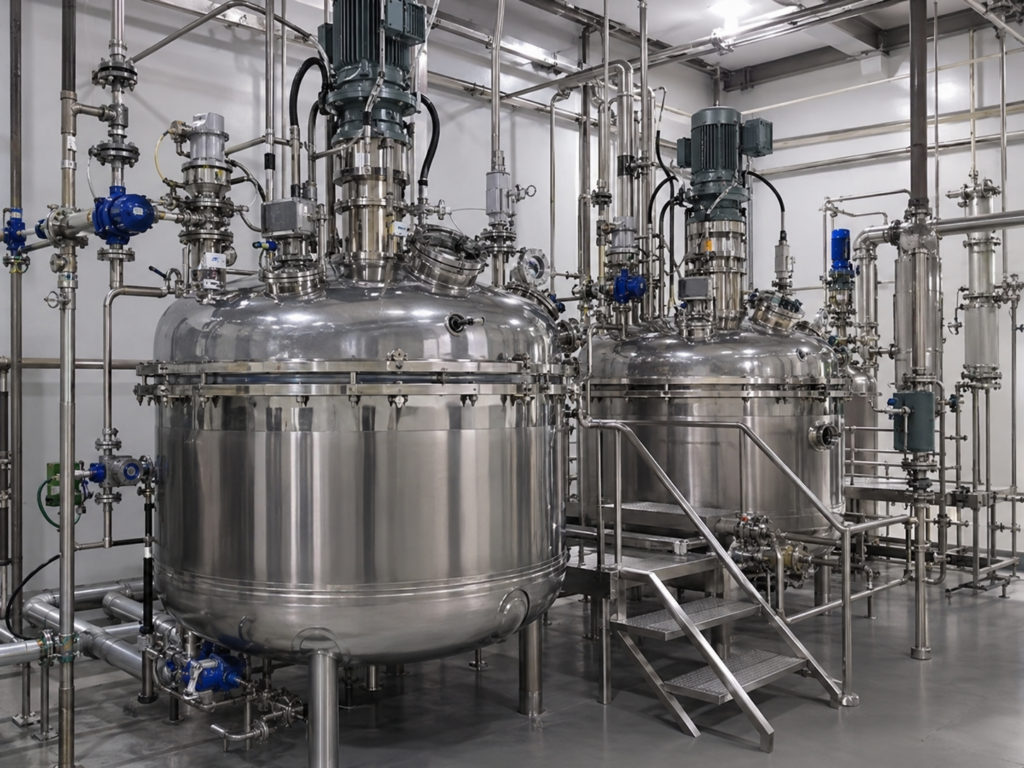
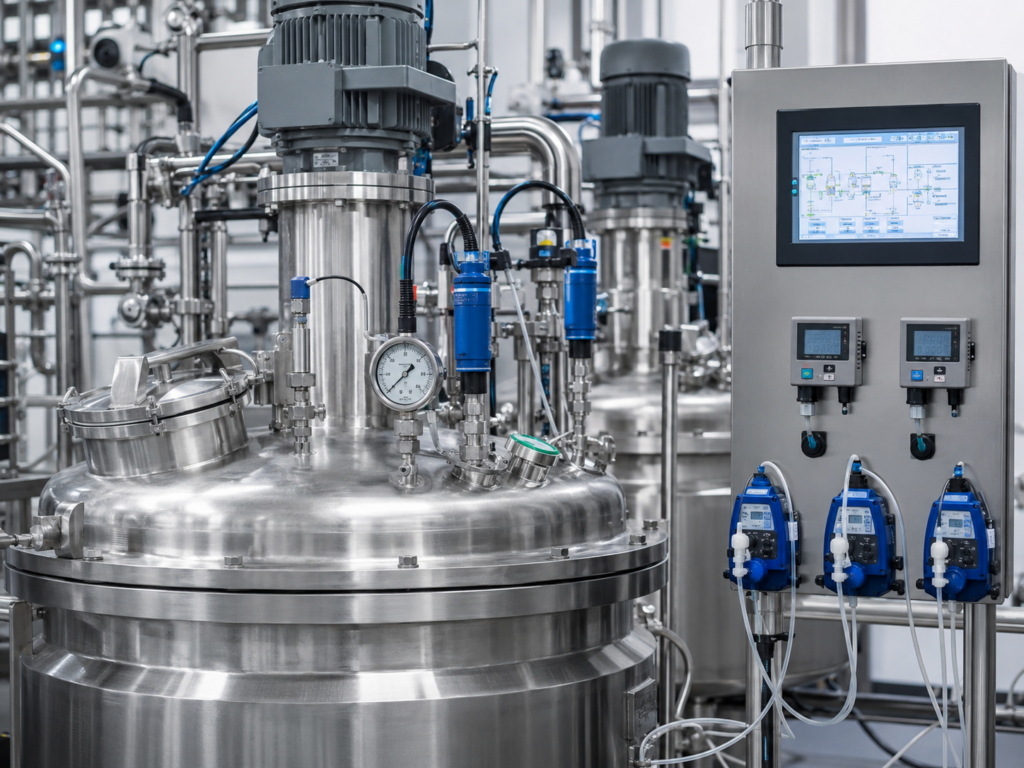
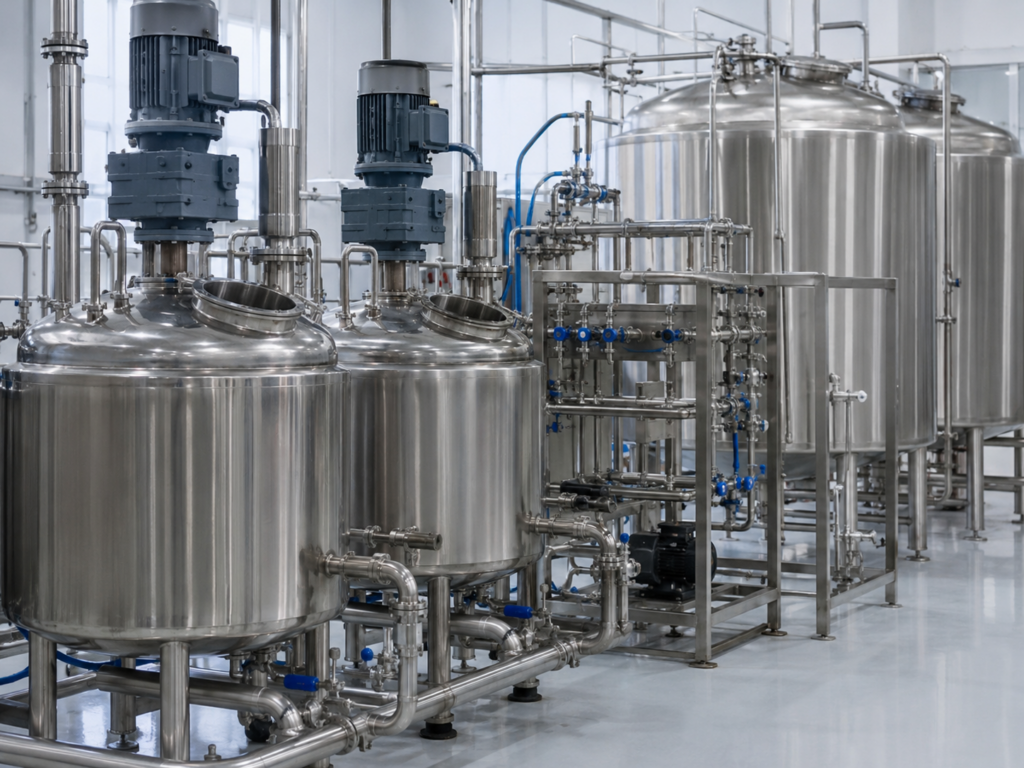
  • Controlled Reaction System — Jacketed reactors, dosing systems, agitation, heating and cooling are configured according to the selected betaine surfactant route and production capacity.
  • pH and Salt Management — pH adjustment, sodium chloride control and by-product management are important for betaine surfactant mildness, appearance, odor and formulation stability.
  • Flexible Product Coverage — The production system can be adapted for CAPB/CAB, lauryl betaine, alkyl betaines, sulfobetaines and selected related amphoteric surfactants, depending on raw material and target specification.

Key Advantages of ZJS Functional Surfactant Solutions

ZJS applies chemical process engineering experience to help customers build reliable functional surfactant production systems for consistent quality, safe operation and flexible formulation support.

  • Customized Process Route

    The process can be designed around CAPB, lauryl betaine, alkyl betaine, sulfobetaine, quaternary ammonium salt or other functional surfactant targets, with attention to raw materials, active content, salt level and final application.

  • Stable Reaction and Mixing Control

    Feeding sequence, agitation, temperature control, pH control and reaction time are engineered to improve batch consistency and reduce quality variation.

  • Integrated Automation

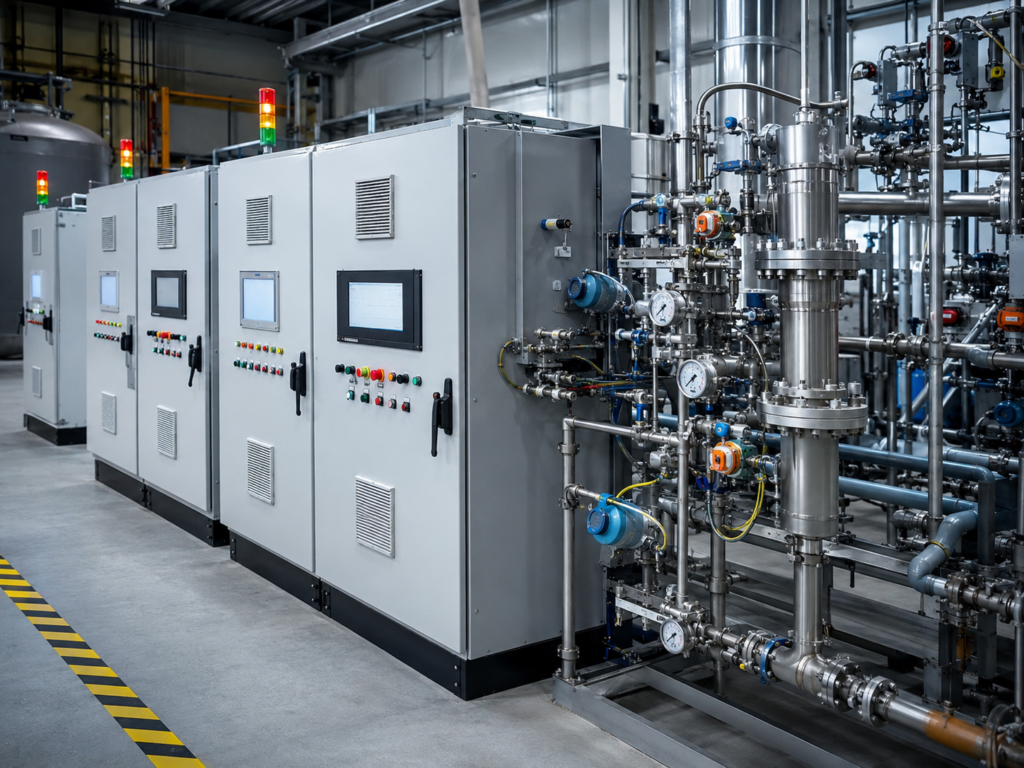
    PLC or DCS control, recipe management, dosing control, alarms, interlocks and process monitoring can be configured for safer and more stable production.

  • Application-Oriented Engineering

    Process and equipment design can consider personal care mildness, detergent foam performance, textile compatibility, industrial cleaning strength, cationic adsorption and other downstream formulation needs.

Betaine, Quaternary Ammonium Salt and Functional Surfactant Applications

Betaine surfactants are used where mildness, foam, viscosity, compatibility and formulation stability are required. Quaternary ammonium salts can be added to this technology family where cationic adsorption, softening, antistatic effect or surface modification is needed.

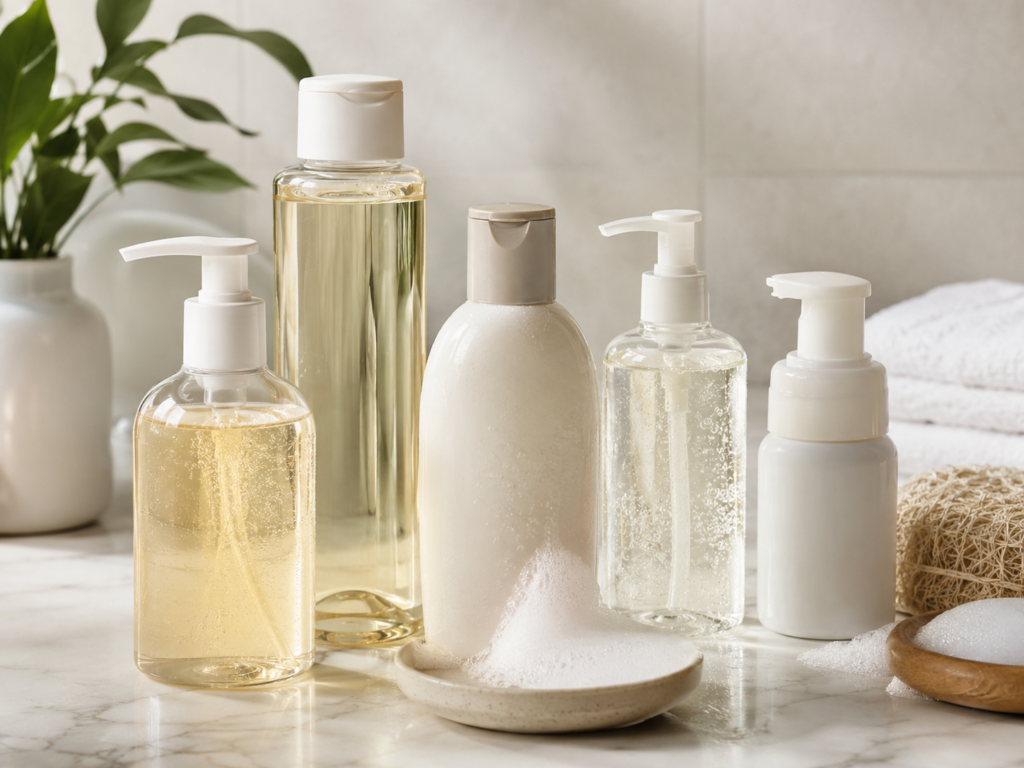
  • Personal Care and Cosmetics

    CAPB, lauryl betaine, alkyl betaines and sulfobetaines are used in shampoos, body washes, facial cleansers, hand soaps, bath products and mild cleansing formulations.

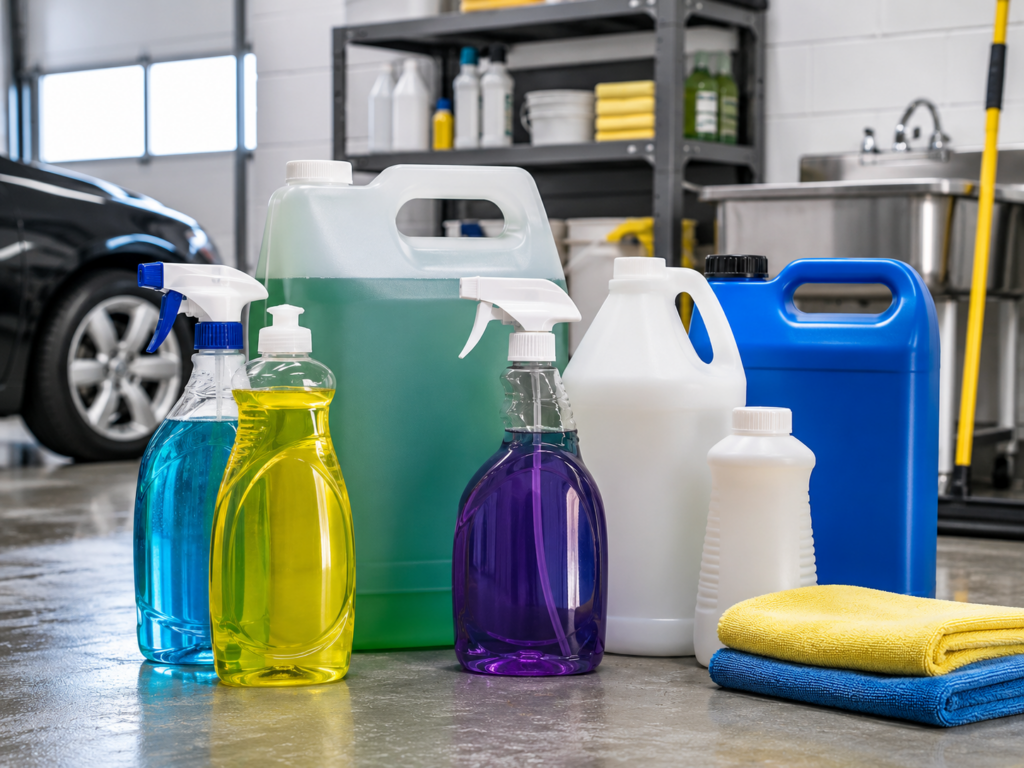
  • Household and Industrial Cleaning

    Betaine surfactants can support foam boosting, viscosity building and compatibility in liquid dishwashing products, hard surface cleaners, vehicle cleaners and institutional cleaning formulations.

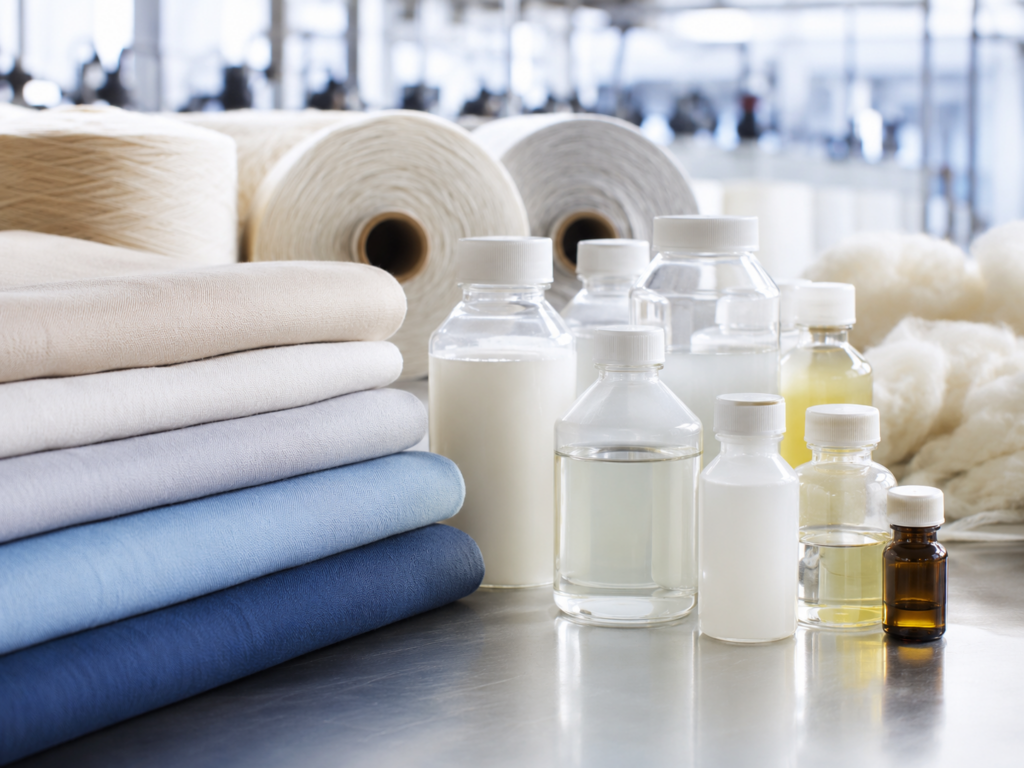
  • Textile and Fiber Treatment

    Quaternary ammonium salt products can be used for fabric softening, antistatic finishing, conditioning and surface modification in textile and fiber applications.

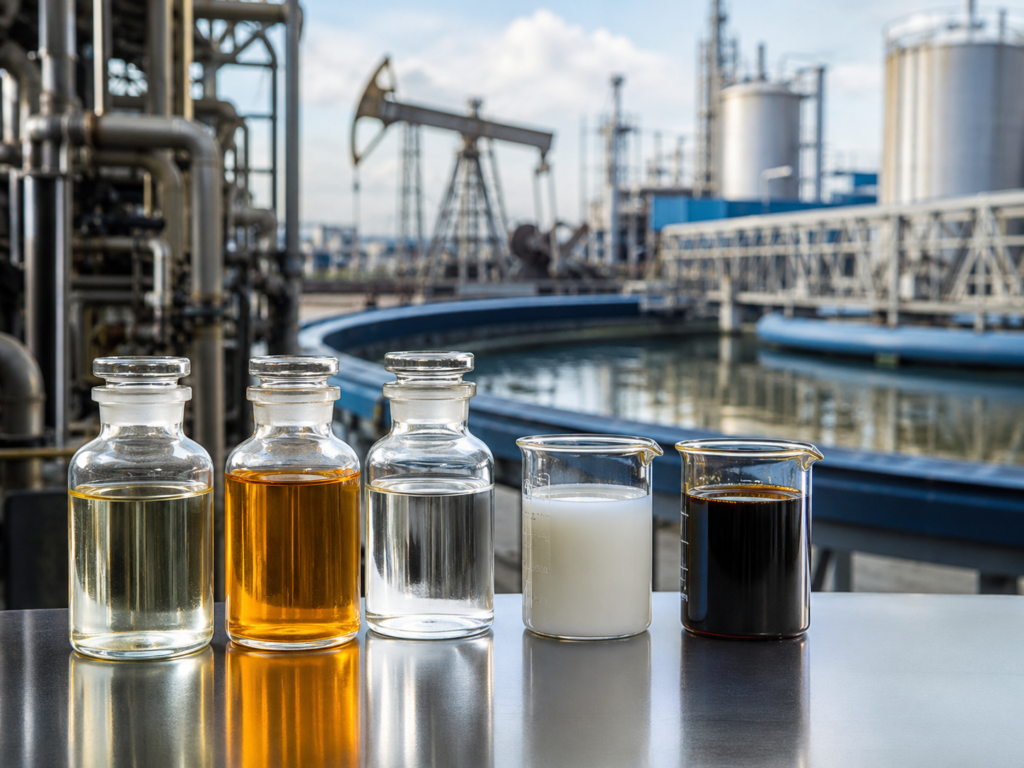
  • Oilfield, Water Treatment and Industrial Chemicals

    Amphoteric and cationic surfactants can be used in oilfield chemicals, corrosion inhibition, water treatment, emulsification and phase-transfer catalysis applications.

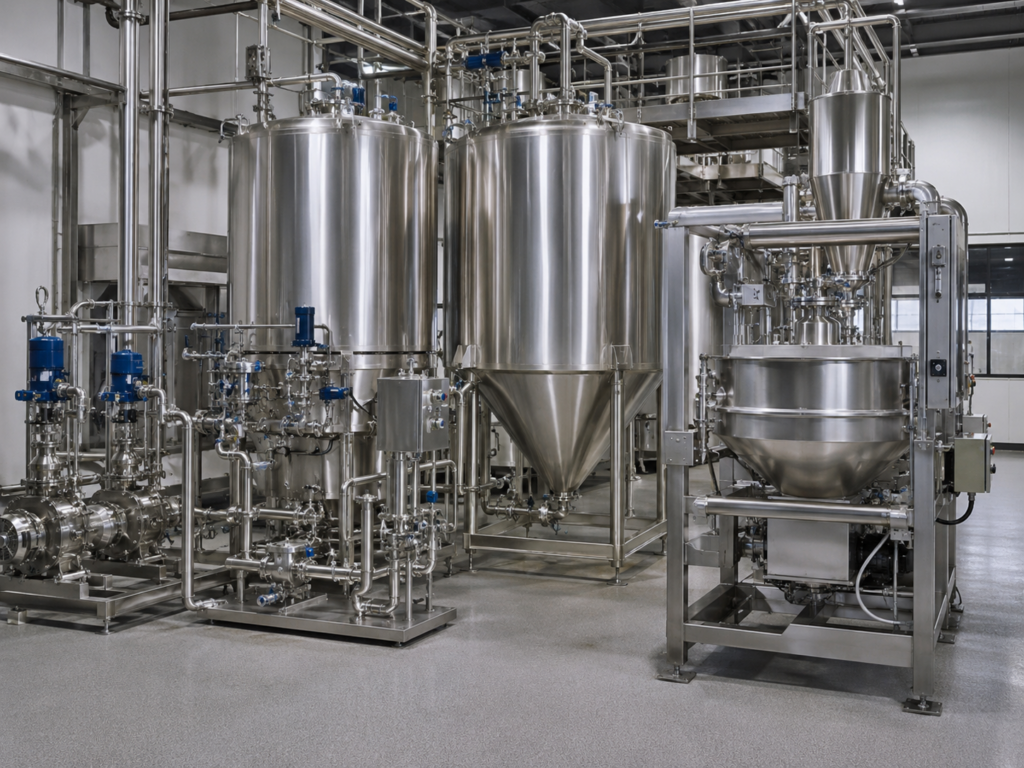
Equipment Composition for Functional Surfactant Production

A functional surfactant production system can be configured according to the selected product family, batch or semi-continuous operation, raw material form, target active content and final packaging requirement.

Raw Material Storage and Dosing

Storage tanks, metering pumps, weighing systems and transfer lines for fatty amines, amidoamines, sodium chloroacetate, alkylating agents, water, alkali, acid and auxiliary materials.

Raw Material Storage and Dosing
Reaction System

pH and Temperature Control

Online or batch control of pH, temperature, reaction time and dosing sequence to support product consistency and reduce side reactions.

pH and Temperature Control

Salt and By-Product Control

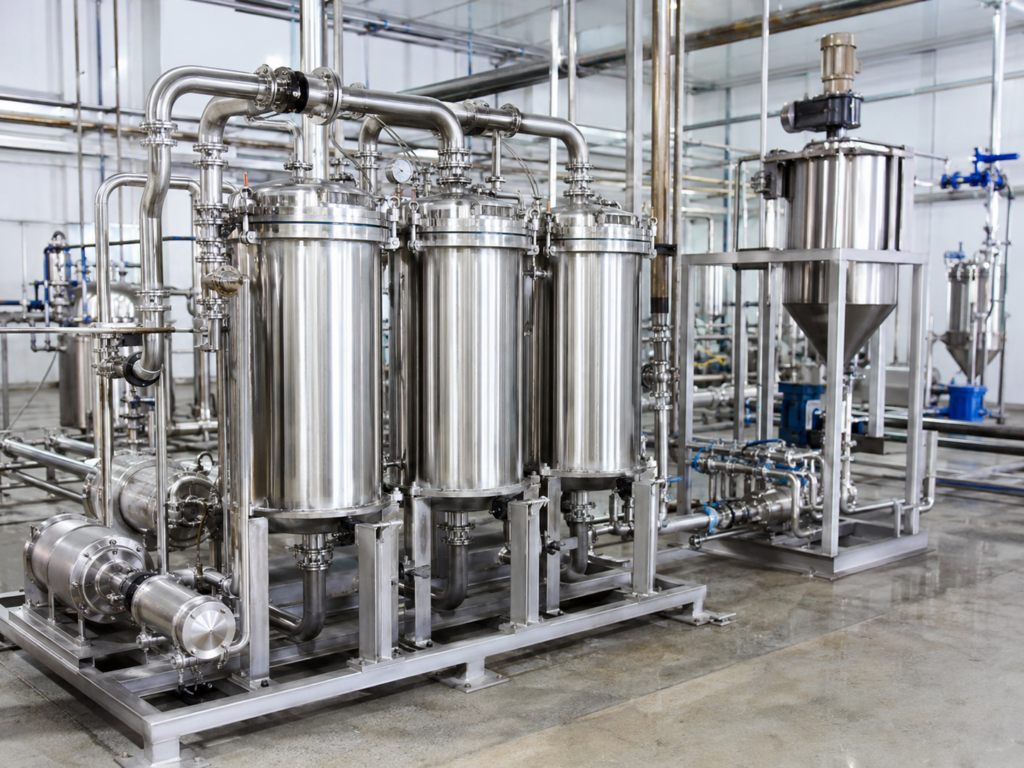
Filtration, separation, washing or purification systems can be configured depending on product route, salt level and final specification.

Salt and By-Product Control

Concentration, Blending and Standardization

Final adjustment of active content, viscosity, pH, appearance, odor and compatibility before storage or packaging.

Concentration, Blending and Standardization

Automation and Safety System

PLC/DCS control, recipe management, alarms, interlocks and production data recording can be integrated for safer and more stable operation.

Automation and Safety System

Plant Specifications & Performance

Available in multiple capacity ranges to match your production requirements, from pilot-scale R&D units to full industrial production lines.

Parameter Betaine Surfactant Line Quaternary Ammonium Salt Line Custom Functional Surfactant Project
Typical Products CAPB/CAB, lauryl betaine, alkyl betaines, sulfobetaines BKC/BAC, DDAC, CTAC/CTAT, ester quats, dialkyl ammonium salts Customer-defined amphoteric or cationic surfactants
Main Process Route Amidoamine route, carboxymethylation/quaternization, neutralization Tertiary amine quaternization, neutralization, purification Lab testing, route selection, pilot validation
Operation Mode Batch or semi-continuous Batch or semi-continuous Pilot, batch or custom
Key Equipment Reactors, dosing, pH control, filtration, blending Quaternization reactor, dosing, solvent/water handling, filtration, concentration Test unit, reactor, control system
Applications Personal care, detergent, cleaning products Textile, softener, antistatic, conditioning, oilfield, water treatment Personal care, textile, oilfield, industrial chemicals
ZJS Scope Process design, equipment supply, installation guidance, commissioning Process design, equipment supply, automation, technical service Process development, technical consultation, scale-up support