Advanced SO₃ Sulfonation Technology & Production Solutions

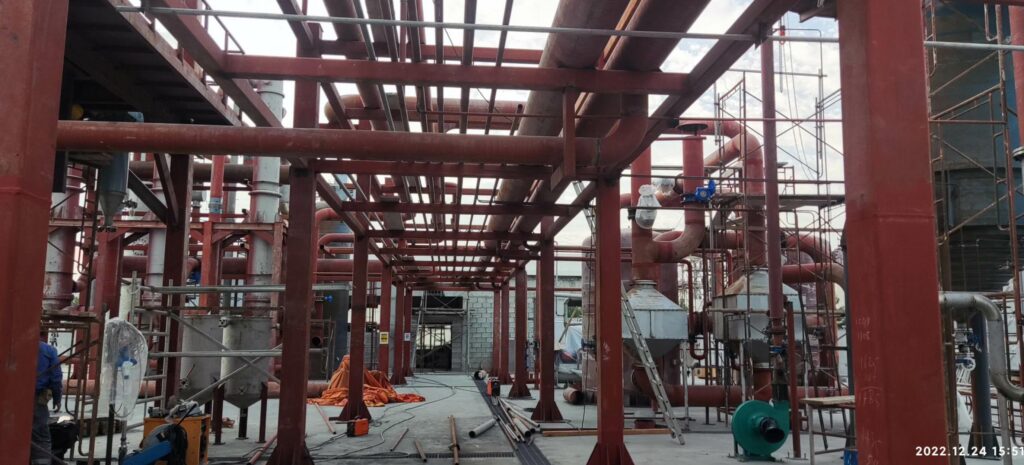
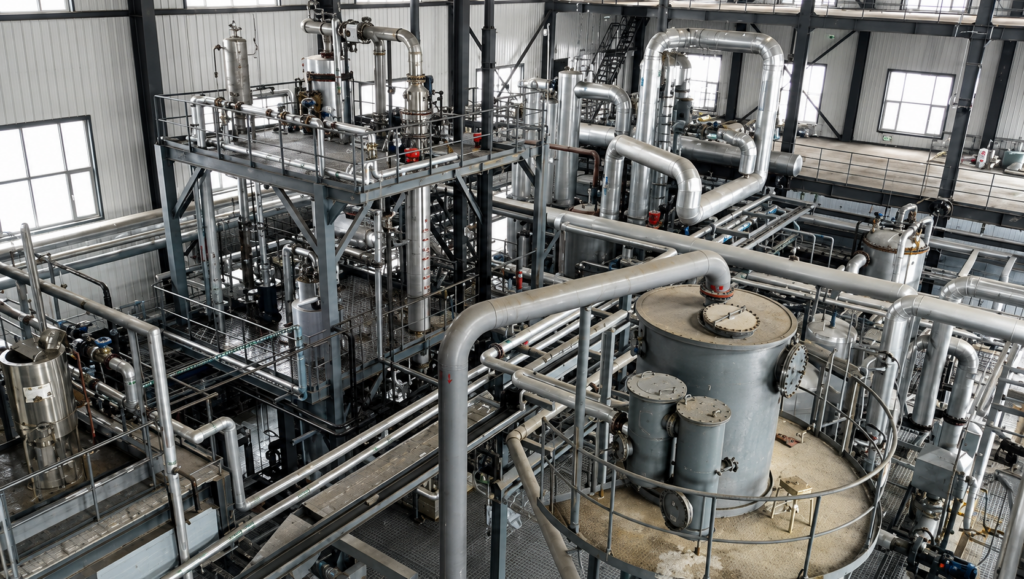
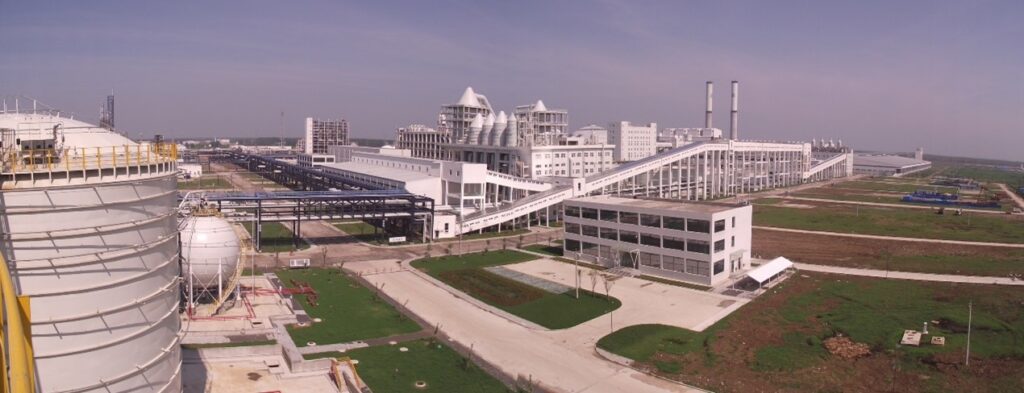
ZJS provides SO₃ sulfonation technology, falling film sulfonation reactors and complete production line solutions for LABSA, SLES/AES, SLS/K12, AOS, MES, petroleum sulfonate and specialty industrial surfactants. Our technology covers process development, plant design, key equipment manufacturing, automation integration, installation and commissioning support.

Request Technical Consultation
View Our Plants

Sulfonation Solutions for Every Application

From daily-use chemical surfactants to oilfield chemicals and pilot-scale development, ZJS provides practical technology routes for customers building new plants, upgrading existing sulfonation units or developing new products.

  • Sulfur Melting & Filtration
  • SO₂ Combustion Furnace
  • SO₃ Catalytic Converter
  • Falling Film Reactor
  • Product Output (LABSA SLES AOS)

Falling Film SO₃ Sulfonation Reactor

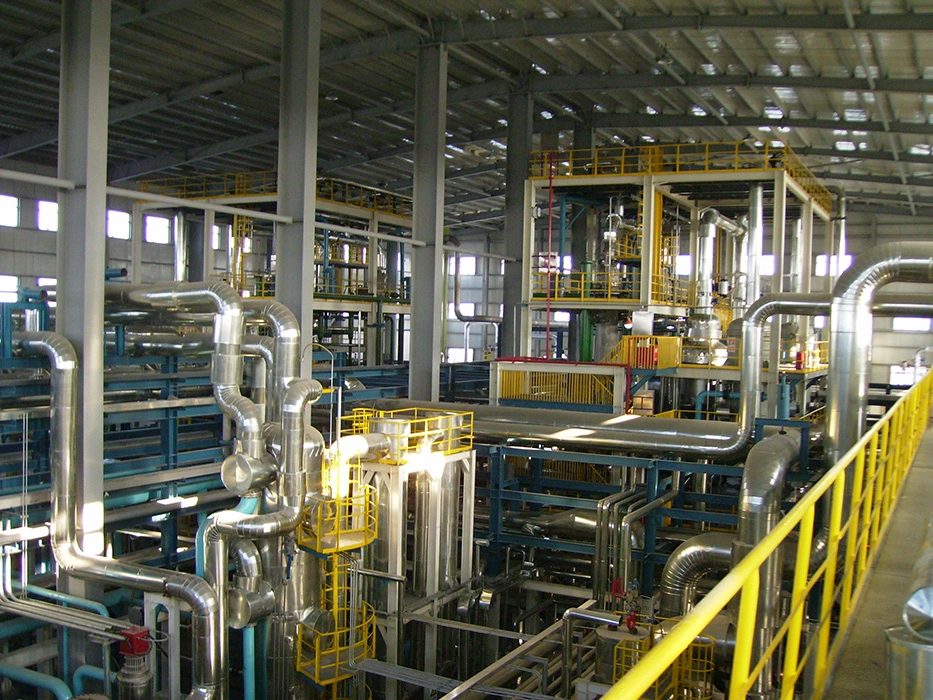
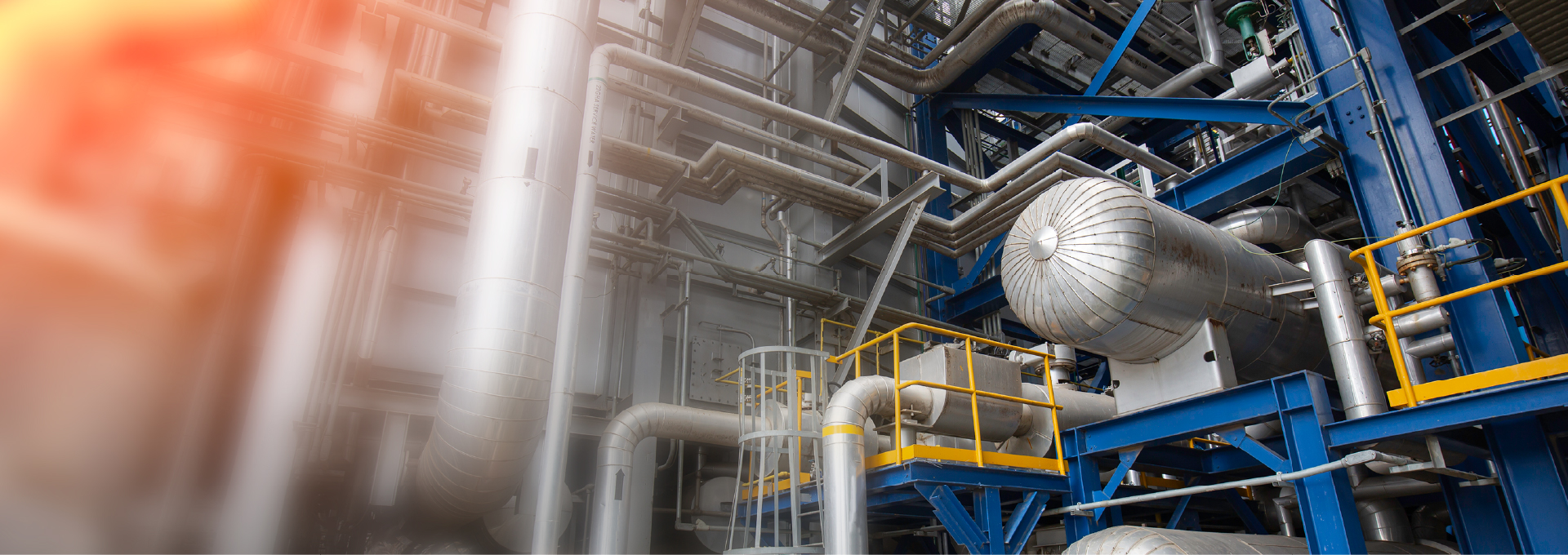
Our proprietary multi-tube falling film reactor is the heart of every sulfonation plant we build. Organic feedstock forms a thin, uniform film on the inner wall of each tube, while diluted SO₃ gas flows co-currently. This design ensures rapid, even reaction with precise temperature control — yielding superior product quality with minimal color and by-product formation.

  • 98%+ Conversion Rate — Industry-leading SO₃ utilization through optimized gas distribution and film uniformity
  • Low Klett Color Value — Precise temperature control minimizes product discoloration for premium output
  • Multi-Product Flexibility — Online switching between LABSA, SLES, SLS, AOS, and MES on a single unit

Integrated Sulfonation Production Line

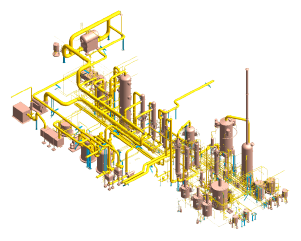
Our SO₃ sulfonation plants use falling film reactor technology for continuous, high-efficiency surfactant production.

Su l f o n a t io n R a w M a t e r ia l E x h a u s t G a s Ne u t r a l i z a t io n D r y i n g U n i t T e r t i a r y O i l R ec o v e r y (E O R) F o r O i l fi e l d s H y d r o ly si s 9 7 .5% L A B S A H A S W P S U l t r a- l o w D i o x a n e S L ES S L S M ES A OS SO₃

Get Technical Proposal

Common Questions About Sulfonation Technology

Learn how ZJS sulfonation technology supports surfactant production, oilfield chemical development, pilot testing and complete plant engineering.

What products can ZJS SO₃ sulfonation technology produce?
ZJS SO₃ sulfonation technology can support production of LABSA/LAS, SLES/AES, SLS/K12, AOS, MES, heavy alkylbenzene sulfonate (HAS), petroleum sulfonate (WPS), sulfonated oils, naphthalene sulfonates and other industrial surfactants, depending on raw material, reactor configuration and downstream processing units.
What is the capacity range of a ZJS sulfonation plant?
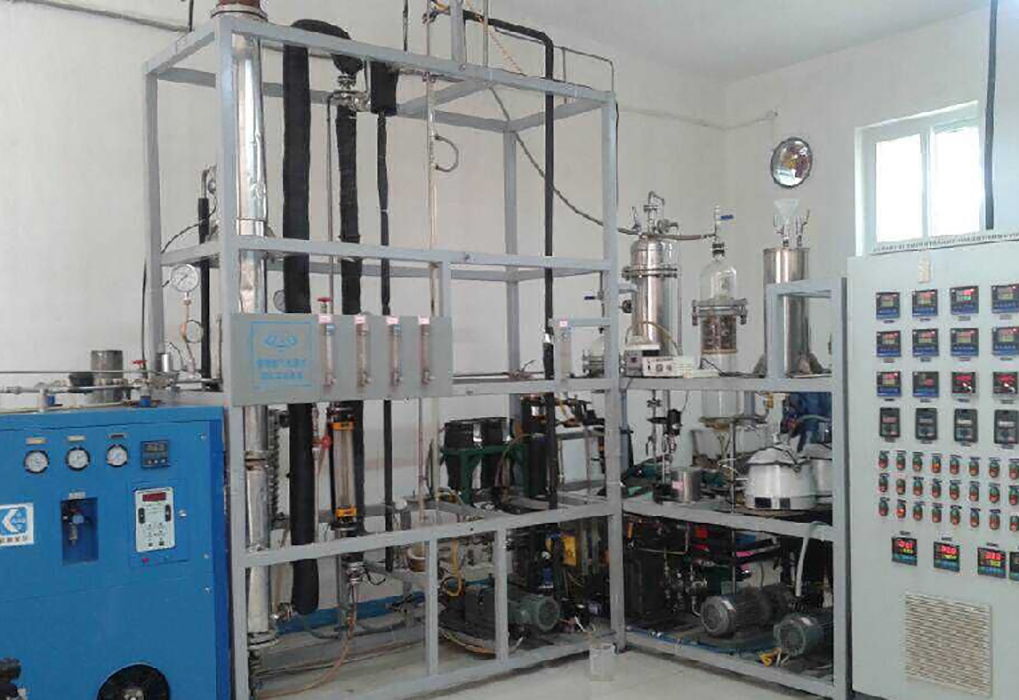
ZJS can design complete SO₃ sulfonation units with single-line capacity from 40 kg/h to 8,000 kg/h. For testing and product development, small-scale membrane or falling film sulfonation units such as 5 kg/h pilot systems can be supplied according to project requirements.
How is SLES produced in an SO₃ sulfonation plant?
SLES/AES is produced by sulfating AEO, also known as fatty alcohol polyoxyethylene ether, with SO₃ and then neutralizing the acid ester. For personal care and detergent applications, dioxane control and optional dioxane stripping systems can be added to support low-dioxane SLES production.
What is petroleum sulfonate used for?
Petroleum sulfonate (WPS) is an anionic surfactant made from petroleum distillate and sulfonated in a falling film sulfonator with sulfur trioxide. It can be used with alkali and polymer in tertiary oil recovery systems to help reduce oil-water interfacial tension and improve crude oil displacement.
Can one sulfonation line produce multiple surfactants?
A properly designed SO₃ sulfonation line can be configured for multiple products such as LABSA, SLES, SLS, AOS and MES. Product switching depends on raw material systems, neutralization or hydrolysis equipment, cleaning requirements, automation design and final product specifications.
What information is needed for a technical proposal?
Useful information includes target product, raw material, required capacity, active matter or specification target, available utilities, automation requirements, environmental requirements, site conditions and whether the project is a new plant or an upgrade of an existing sulfonation unit.